
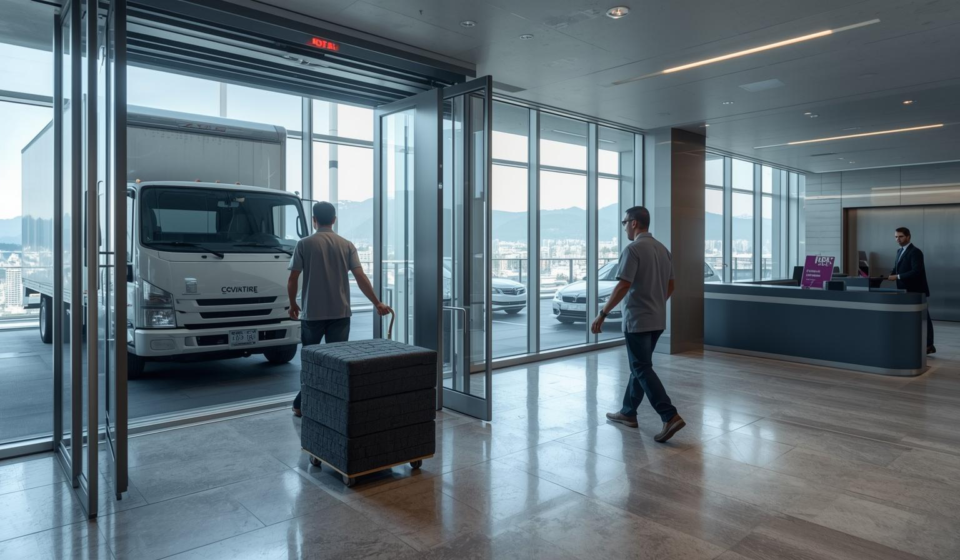
Downtown Vancouver Hoarding Cleanup: Urban and Apartment Services
The hoarding situation in your downtown condo demands immediate action, but you’re paralyzed by fear of neighbours discovering the condition. Building management issued a compliance notice, yet coordinating elevator access and discrete removal feels impossible during busy hours. You need this handled fast for the upcoming strata inspection, but also need absolute privacy in a high-density building where everyone notices everything. This is exactly why our hoarding cleanup downtown Vancouver service exists: experienced urban specialists who work discrete hours, coordinate all building logistics, and complete clearing with zero neighbour awareness.
Downtown and urban hoarding cleanup creates challenges that don’t exist in houses. Elevator scheduling. Strata council regulations. Neighbour proximity. Parkade access restrictions. Building management coordination. Security desk protocols. Every aspect becomes more complex when you’re 20 floors up in a building with 200 other units.
Our team has spent over 14 years working specifically with downtown Vancouver buildings. We know the difference between standard elevators and freight elevators. We understand strata compliance deadlines. We’ve coordinated with property managers across hundreds of buildings from Yaletown to Coal Harbour.
This guide explains why downtown hoarding demands specialized service, how our urban clearing system works, what building logistics we handle, pricing for apartment and condo situations, and how to get discrete professional help in high-density living environments.
Why Downtown Hoarding Creates Unique Challenges
Standard hoarding cleanup vancouver approaches designed for houses fail in urban buildings. The physical constraints, building regulations, and neighbour proximity create problems requiring specialized solutions.
Building Access Complexity Makes Everything Harder
Urban buildings weren’t designed for large clearing projects. Every step faces restrictions that don’t exist in houses.
Elevator Reservations and Scheduling
Most downtown buildings require elevator reservations for moving. You can’t just start loading items whenever convenient. Building management controls the schedule.
Standard booking windows run 2 to 4 hours. This limits how much work gets done in single sessions. Some buildings only allow moving during weekday mornings. Others restrict weekends entirely.
Strata councils often require 48 to 72 hours advance notice. Emergency situations get complicated when buildings have firm reservation policies.
Freight elevators exist in larger buildings. These bigger elevators make work faster. But booking them usually costs extra fees. Not all buildings have them.
Parkade Access Restrictions
Loading zones in downtown buildings have strict rules. Time limits of 30 to 60 minutes are common. Security enforces these strictly.
Visitor parking stalls too small for work trucks. We need loading bay access or street parking with permits. Both require coordination.
Underground parkades have height restrictions. Standard work trucks don’t fit. We plan vehicle access before starting work.
Some buildings charge parkade access fees. $25 to $100 per day depending on building. We factor this into project costs.
Building Management Coordination Requirements
Property managers want documentation before approving work. Insurance certificates. WCB coverage proof. Liability forms. Timeline commitments.
Our workers are insured through WCB. We provide certificates to building management. This protects both the building and our team.
Property manager cleanup coordination happens on most downtown projects. Managers need to know who’s in the building, when work happens, what areas get affected.
Some managers are helpful partners. Others create obstacles. Our experience working with hundreds of downtown buildings helps us navigate different management styles.
Strata Council Regulations and Compliance
Strata bylaws govern what you can and can’t do in your unit. Hoarding often violates these bylaws. Fire safety. Pest control. Sanitation standards. Common area usage.
Compliance notices give deadlines. Usually 30 to 90 days to remedy violations. Missing deadlines can trigger fines or legal action.
We help residents meet compliance requirements. Our work addresses the specific violations listed in notices. We coordinate with strata councils when needed.
Security Desk Protocols
Buildings with 24 hour security require visitor registration. Our team checks in at security desks. We follow building protocols for contractor access.
Security needs to know our truck location, elevator usage, and work timeline. Good communication prevents problems.
Some buildings require security escorts. This slows work but we accommodate requirements.
Neighbour Privacy Concerns Multiply in High Density
Houses have space between properties. Apartments and condos don’t. Neighbours are 10 feet away through a wall. Everyone shares hallways and elevators.
Constant Visibility in Shared Spaces
Common hallways mean neighbours see everything moved from units. There’s no hiding a major clearing project.
Elevator trips happen where other residents are present. Loading dollies with items while neighbours wait for the elevator creates awkward situations.
Lobby areas provide zero privacy. Everyone entering or exiting the building sees our work.
The close quarters of residential hoarding cleanup vancouver in apartments means discretion becomes primary concern, not secondary consideration.
Gossip and Stigma in Close Quarters
Building communities talk. Neighbours discuss what they see. Word spreads quickly in 100 unit buildings.
Professional reputations matter to downtown residents. Lawyers, doctors, executives, tech workers. Many can’t afford their colleagues or business contacts learning about hoarding situations.
Family embarrassment affects people deeply. Adult children helping elderly parents don’t want building gossip about their family.
We’ve seen situations where building gossip caused people more distress than the actual hoarding situation.
Sound Transmission Through Walls and Floors
Apartment walls aren’t soundproof. Neighbours hear activity in adjacent units.
Moving furniture creates noise. Dragging items makes sounds. Our team works carefully minimizing noise that travels through walls.
Floor vibrations from heavy items affect units below. We use protective padding preventing transmission.
Early morning or late evening work isn’t possible in most buildings due to noise bylaws. This limits our scheduling flexibility compared to houses.
Urban Space Constraints Require Specialized Equipment
Downtown buildings have physical limitations that don’t exist in houses.
Narrow Hallways Limiting Equipment
Apartment hallways average 3 to 4 feet wide. Standard furniture barely fits. Moving multiple items simultaneously becomes impossible.
Our team uses compact hand trucks designed for tight spaces. We can’t bring full size dollies used in houses.
Corners create additional challenges. Right angle turns in narrow hallways require careful maneuvering.
Some older buildings have even narrower passages. Heritage buildings in Gastown often have 30 inch hallways.
Small Elevator Sizes
Standard residential elevators measure 5 feet by 7 feet interior. Larger furniture doesn’t fit.
Couches need angling. Dressers go in diagonally. Mattresses fold or go vertical. We plan item transport before starting removal.
Freight elevators when available measure 8 feet by 10 feet or larger. These make work dramatically faster.
Buildings without freight elevators take longer to clear. More trips. Smaller loads per trip. Time increases 30% to 50% compared to freight elevator buildings.
No Outdoor Staging Areas
Houses have driveways, yards, garages for staging items during clearing. Apartments don’t.
We stage items inside the unit being cleared. This requires systematic organization to avoid creating more chaos.
Some buildings allow parkade staging temporarily. Others prohibit it entirely.
Street staging isn’t possible in downtown. City bylaws prohibit blocking sidewalks.
Tight Turns and Doorways
Unit entry doors average 32 to 36 inches wide. Furniture wider than this won’t fit without removal from unit in pieces.
Bathroom doors, bedroom doors, closet doors all create access restrictions. Items stored in small rooms sometimes can’t exit intact.
Our team assesses what needs disassembly before removal. We bring tools for furniture breakdown when needed.
High Rise Vertical Transport Challenges
Moving items down 25 floors takes time. Each elevator trip adds 5 to 10 minutes just for travel.
Multiple trips multiply quickly. A hoarding clean up company vancouver project on the 30th floor might require 40 elevator trips. That’s 6 hours just in elevator time.
We plan efficient loading to minimize trips. Pack elevators fully each cycle. Coordinate two team members so elevator never sits empty.
Some teams use service stairs for smaller items when buildings allow. This speeds work but requires more physical effort.
Time Sensitive Building Pressures Force Speed
Downtown situations often have hard deadlines that house situations don’t face.
Strata Compliance Deadlines
Compliance notices from strata councils aren’t suggestions. They’re legal requirements with firm dates.
Typical timeline gives 30 to 60 days. Some emergency situations get 7 to 14 days.
Missing deadlines triggers fines. $500 to $2,000 per month common. Continued non compliance can lead to forced sale of unit.
We prioritize strata compliance cases. Deploy 3 worker crews for speed. Work extended hours when buildings permit.
Building Inspection Schedules
Annual building inspections sometimes discover hoarding situations. Property managers then demand immediate remediation.
Insurance inspections have firm dates. Buildings can’t delay these. Units must be compliant by inspection day.
Fire marshal inspections can happen with minimal notice. Fire code violations from hoarding get cited immediately with short correction timelines.
Complaint Driven Eviction Timelines
Neighbour complaints to property managers trigger intervention. Managers investigate. If violations exist, eviction process can start.
Residential tenancy regulations in BC give timelines for remediation. Usually 30 days to fix violations before eviction proceedings begin.
Landlords in rental situations move faster than owner occupied condos. Rental evictions for hoarding happen within 60 to 90 days if violations aren’t corrected.
Property Sale Requirements
Selling downtown condos requires clear units for showings. Real estate timelines don’t flex.
Realtor partnerships often involve urgent clearing for listing preparation.
Pre sale inspections reveal issues. Buyers demand remediation before completing purchase. Sale timelines create firm deadlines.
Real Downtown Examples Show the Complexity
Yaletown condo owner received strata compliance notice after neighbour complaint about odours. Strata gave 72 hours to begin remediation or face $1,000 fines.
Building had strict elevator reservation system requiring 48 hour advance booking. Owner panicked because timeline seemed impossible.
We coordinated emergency elevator access with building manager. Started work within 36 hours. Completed Level 3 hoarding clearing in 2 days using 3 worker crew.
Strata council accepted our completion documentation. Fines waived. Owner avoided further legal action.
Coal Harbour high rise situation involved annual building inspection discovering hoarding through routine maintenance entry. Property manager issued 30 day compliance notice.
Unit on 28th floor. Building had freight elevator but reservation system booked solid for 2 weeks. Regular elevators too small for efficient clearing.
We negotiated after hours freight elevator access. Worked 6pm to 10pm for 5 consecutive evenings. Cleared Level 4 hoarding meeting building inspection requirements.
Property manager provided written confirmation of compliance. Inspection passed without issues.
Gastown heritage apartment had different challenges. Third floor walkup with no elevator. Narrow staircases built in 1910. Hallways under 3 feet wide.
Neighbour complaints about pest issues forced action. Landlord threatened eviction if situation not remediated within 14 days.
We used stairwell transport for everything. 3 worker crew made continuous trips. Completed in 6 days working 10 hour days.
Landlord satisfied with results. Tenant avoided eviction. Pest control could then treat the unit effectively.
Our Downtown Vancouver Hoarding Cleanup System
We developed specialized approaches specifically for urban building challenges. Standard house clearing methods don’t work in apartments and condos.
Step 1: Discrete Building Assessment
Initial consultation happens differently in downtown buildings than houses. Privacy matters more. Building awareness creates bigger concerns.
Evening or Early Morning Site Visits
We schedule assessments when fewer residents are around. Evening hours after work commute. Early morning before people leave for jobs.
This minimizes neighbour observation. Fewer questions about who we are and why we’re visiting.
Weekend mornings can work depending on building culture. Some buildings are busiest on weekends. Others are quieter.
Plain Clothes Initial Consultation
Our team doesn’t wear company uniforms for downtown assessments. We look like friends visiting or regular building guests.
No obvious moving equipment on first visit. We assess and plan without drawing attention.
Building security sees us as regular visitors. We check in normally. Provide unit number. No mention of hoarding cleanup work.
Unmarked Vehicles
Our trucks don’t have company logos advertising hoarding services. Neighbours see standard moving vehicles.
We park in visitor spots or on street where possible. Loading bays used only during actual work, not assessments.
Vehicle choice matches building. Upscale buildings get newer trucks. Standard apartments get regular work vehicles.
No Obvious Hoarding Company Branding
Everything about initial contact maintains discretion. Business cards stay generic. Conversations in hallways avoid specific service mentions.
If neighbours ask who we are, the response is simple. “Helping with organizing and decluttering.”
Respectful of Building Culture
Different buildings have different atmospheres. Luxury towers require different approach than affordable housing.
We adapt our presentation to building expectations. Professional but not corporate. Friendly but not overly familiar.
Step 2: Building Logistics Coordination
Before work begins, we handle all building requirements and access arrangements.
Direct Property Manager Communication
We contact building management directly. Explain timeline. Request access approvals. Provide required documentation.
Property managers appreciate professional communication. We’ve worked with managers across hundreds of downtown buildings. Many recognize us from previous projects.
Clear communication prevents surprises. Managers know when work happens, what to expect, how long it takes.
Elevator Booking and Insurance
We handle all elevator reservation paperwork. Submit requests with proper notice. Confirm booking before scheduling work.
Insurance certificates go to management showing WCB coverage. Our workers are insured protecting building from liability.
Some buildings require additional insurance riders. We provide whatever documentation building policies demand.
Elevator padding gets installed according to building requirements. We protect walls and floors during transport.
Parkade Access Arrangements
Loading bay reservations when buildings have them. Coordination with building superintendent for access codes or keys.
Visitor parking arrangements for work trucks if loading bays unavailable. Some buildings issue temporary parking passes.
Underground parkade height clearance confirmed before bringing trucks. We know which vehicles fit which buildings.
Security Desk Notification
Security staff get advance notice of our work. They know our team members’ names. Our vehicle descriptions. Expected arrival and departure times.
This prevents security stopping our work or questioning our presence. Smooth access saves time and maintains discretion.
We check in properly at security desks. Follow all building protocols. Treat security staff professionally.
Loading Zone Permits When Needed
Street loading zones sometimes require city permits. We obtain these for longer projects.
Parking enforcement needs to see permits. We display them properly preventing tickets or towing.
Downtown Vancouver parking regulations are strict. We follow all rules maintaining good standing with both buildings and city.
Step 3: Strategic Timing for Minimum Visibility
When work happens matters as much as how work happens in downtown buildings.
Weekday Morning Hours
Most downtown residents work outside the home. Weekday mornings after 9am mean fewer people in building.
We start work after morning rush hour ends. By 9:30am most residents left for work.
This timing minimizes elevator conflicts. Fewer neighbours in hallways. Less observation of our activity.
Off Peak Elevator Times
Even during workday, elevator traffic has patterns. Lunch hours see some residents. Late afternoon commute starts around 4pm.
We plan heavy transport for mid morning and early afternoon. Peak efficiency when elevators least congested.
Buildings with freight elevators often reserve these for daytime use. We book longest possible windows.
Coordination Around Building Events
Buildings have regular events. Strata meetings. Building maintenance days. Seasonal activities.
We check building calendars avoiding days when extra people are around. No work during strata council meetings when more owners are present.
Holiday periods in downtown buildings can be busier or quieter depending on demographics. We adjust scheduling accordingly.
Avoiding Weekend High Traffic Periods
Many downtown buildings are busiest on weekends. Residents home all day. Guests visiting. Social activities happening.
Weekend work only when absolutely necessary for deadline compliance. Even then, we prefer Sunday over Saturday.
Buildings in areas like Olympic Village with young professionals might be quieter on weekends. Demographics affect timing decisions.
Split Day Scheduling If Needed
Some situations benefit from working in two shorter sessions rather than one long day.
Morning session before lunch. Afternoon session after 1pm. This breaks up visibility and reduces neighbour awareness.
Multiple day projects spread over a week create less building buzz than marathon single day clearing.
Step 4: Urban Specialized Equipment
Downtown work requires different tools than house clearing.
Compact Hand Trucks for Tight Spaces
Standard dollies don’t fit narrow apartment hallways. We use compact models designed for urban delivery work.
These smaller hand trucks maneuver tight corners. They fit through 32 inch doorways. They’re quieter than full size equipment.
Folding models store easily when not in use. Multiple units allow continuous work flow.
Furniture Dollies for Elevators
Elevator safe dollies with soft wheels prevent floor damage. These meet building requirements for elevator use.
Four wheel models provide stability for larger items. We secure loads preventing shifting during elevator transport.
Rubber wheels minimize noise. Hard plastic or metal wheels violate noise bylaws in most buildings.
Floor and Wall Protection
Buildings demand protection of common areas. We bring materials meeting these requirements.
Ram board for hallway floors. Corner guards for door frames. Padding for elevator walls.
This protection prevents damage complaints to property managers. Buildings appreciate contractors who protect their property.
Our furniture removal vancouver experience includes proper protection techniques for valuable building finishes.
Sound Dampening Materials
Noise reduction matters in apartments. We use padding that deadens sound during transport.
Soft blankets wrap items preventing scraping and bumping sounds. Rubber pads under items being slid across floors.
Our team works quietly out of respect for neighbours and compliance with building regulations.
Discrete Packing and Transport Methods
Clear garbage bags show contents. Opaque contractor bags hide what’s being removed.
We use solid sided bins and boxes rather than open carts when possible. This maintains discretion about items being removed.
Smaller loads transported more frequently rather than large obvious loads reduce neighbour curiosity.
Step 5: High Rise Vertical Transport
Moving items down 20 or 30 floors efficiently requires experience and planning.
Elevator Padding and Protection
Building requirement compliance means installing proper elevator protection before starting work.
Quilted pads attach to elevator walls. Floor protection covers elevator floors. These prevent damage during repeated trips.
Some buildings provide their own elevator protection. Others require us to bring materials meeting their specifications.
Buildings charge damage fees if elevators get scratched or dented. Our protection prevents these charges.
Multiple Trip Coordination
One team member stays in unit sorting and preparing items. Another transports loads to truck.
Elevator never sits empty. As soon as one load goes down, next load is ready for transport.
This coordination doubles efficiency compared to whole team riding elevator each trip.
Freight Elevator Scheduling When Available
Freight elevators dramatically speed downtown work. We book maximum time slots buildings allow.
Buildings with freight elevators usually limit usage to specific hours. 9am to 5pm common. We use full window.
Freight elevator fees when charged typically run $50 to $150 per day. Worth the cost for time savings.
Stairwell Use for Smaller Items When Appropriate
Some buildings allow stairwell transport for small items. This frees up elevators for larger pieces.
Worker fitness levels matter for stairwell use. Our team handles stairs when strategy makes sense.
Fire code restrictions prohibit blocking stairwells. We maintain clear egress routes at all times.
Rooftop or Underground Parkade Loading
Some buildings have rooftop access for service vehicles. This provides discrete loading away from main entrances.
Underground parkade loading bays offer privacy from street level observation.
We use whatever loading location provides best combination of efficiency and discretion.
Step 6: Same Day Completion Focus
Downtown projects benefit from speed. Less time means less neighbour awareness.
More Workers Deployed for Speed
We often use 3 worker crews for downtown projects even when 2 workers would eventually finish the job.
The third worker cuts completion time by 40% to 50%. This matters when discretion is priority.
Higher labour cost for extra worker gets offset by faster completion and better outcomes.
Extended Hours If Building Allows
Some buildings permit work starting at 7am. Others allow work until 9pm. We use maximum allowable windows.
Noise bylaws usually prohibit work before 7am or after 9pm in residential buildings. We respect these limits.
Extra hours mean same day completion for projects that otherwise need two days.
Efficient Load and Transport Cycles
We maximize items per trip. Elevators loaded completely each cycle. Nothing wasted on half empty loads.
Truck loading organized for efficient unloading at disposal facilities and donation centres. This speeds entire process.
Minimal Multi Day Visibility
Single day completion is ideal when possible. Neighbours see activity once, then it’s done.
Two day projects handled consecutively. No gaps between work days that extend building awareness.
Three plus day projects are sometimes unavoidable for severe situations. We still work consecutive days minimizing timeline.
Complete Unit Turnover When Possible
Full clearing and basic cleaning in one session. Unit ready for property manager inspection immediately.
This matters for compliance deadlines and landlord requirements. No waiting for “phase two” to finish work.
Step 7: Post Cleanup Building Compliance
Work doesn’t end when items are removed. Buildings have expectations about final conditions.
Unit Cleaning to Building Standards
Floors swept and mopped. Surfaces wiped down. Bathrooms cleaned to basic sanitation.
This isn’t deep cleaning. It’s bringing unit to acceptable condition for property manager inspection.
For situations requiring professional deep cleaning, we coordinate post hoarding restoration vancouver services.
Common Area Restoration
Any dirt or damage to hallways gets cleaned. Elevator protection removed and elevator cleaned if needed.
We leave common areas in same or better condition than we found them.
Property managers notice contractors who clean up after themselves. This builds trust for future projects.
Damage Repair Coordination
If any building property gets damaged during work, we take responsibility. Arrange repairs. Cover costs.
Our insurance handles significant damage. Minor issues we fix directly.
Buildings appreciate contractors who stand behind their work. This matters for our property manager relationships.
Final Inspection Support
We can be present for property manager final inspections if helpful. Answer questions about work completed.
Provide documentation of disposal, donation, and recycling for building records when requested.
Some strata councils want written confirmation work is complete. We provide this documentation.
Property Manager Sign Off Assistance
Buildings often require property manager approval before considering work complete.
We communicate with managers confirming all building requirements met. This protects residents from future compliance issues.
Downtown Neighbourhoods We Serve
Our east vancouver hoarding cleanup and downtown coverage extends to every urban neighbourhood across Vancouver’s core.
Downtown Core High Rises
Downtown Vancouver has the city’s highest concentration of high rise buildings. We work in towers from Burrard to Main Street.
Buildings in financial district. Residential towers above retail. Mixed use developments combining commercial and residential.
24/7 security buildings common in downtown core. Concierge services. Controlled access lobbies. We coordinate with all security systems.
Corporate rental properties managed by professional management companies. These have strictest protocols but also most systematic approval processes.
Yaletown and Gastown
Yaletown represents mix of heritage buildings and modern developments. Strict strata regulations typical of affluent neighbourhood.
Boutique condo complexes with 20 to 40 units. Smaller buildings mean higher visibility but often more flexible management.
High visibility streets mean discretion especially important. Neighbours know each other. Building communities are tight.
Gastown heritage buildings have unique challenges. Narrow hallways. Old elevators or no elevators. Stairs steeper than modern code allows.
Character buildings require extra care preventing damage to heritage features. Original wood floors. Brick walls. Historic fixtures.
Coal Harbour and Stanley Park Area
Coal Harbour luxury high rises represent premium end of downtown market. Concierge buildings. Valet parking. Premium finishes throughout.
These buildings have highest discretion requirements. Residents include high net worth individuals. Privacy expectations exceed standard buildings.
Security protocols are strictest. Background checks sometimes required for contractors. Multiple approvals needed for work permits.
Building standards for contractor conduct are detailed. We meet all expectations maintaining reputation in these premium properties.
Mount Pleasant
Mount Pleasant offers mix of low rise apartments and newer mid rise developments. More affordable than downtown core.
Character buildings from 1950s and 1960s. Three to four storey walkups common. Elevator buildings tend to be newer construction.
Mixed income housing means varied building standards. Some have professional management. Others have resident caretakers.
Community focused neighbourhood. Buildings have long term residents. Discretion still matters but atmosphere less formal than downtown towers.
Olympic Village and Cambie Corridor
Olympic Village represents newer construction. Modern buildings built for 2010 Olympics and after.
Sustainability focused buildings with green certifications. Recycling and waste management taken seriously.
Young professional demographics. Tech workers. Healthcare workers from nearby hospitals. These residents appreciate efficient professional service.
Strata councils in newer buildings sometimes have teething issues. Regulations still being refined. We work with evolving building policies.
Fairview and False Creek
Fairview and False Creek areas combine older low rises with newer towers. Broadway corridor has mix of building ages.
Some buildings date to 1970s and 1980s. Others are brand new. This variety means different building systems and requirements.
Proximity to hospitals means healthcare workers are common residents. Shift workers home at different hours affect timing strategies.
Kitsilano and West Side
Kitsilano has fewer high rises than downtown core. More low rise apartments and character buildings.
Beach proximity creates vacation rental dynamics in some buildings. Higher turnover affects building culture.
Family oriented neighbourhood. Buildings tend toward quieter atmosphere. Noise considerations especially important.
UBC and University Area
UBC area includes student housing and faculty residences. Buildings range from older low rises to newer high rises.
Student demographics create higher turnover. Buildings accustomed to regular moving activity.
University owned buildings have specific contractor requirements. We work within UBC property management systems.
East Vancouver Coverage
East Vancouver beyond downtown includes Commercial Drive, Hastings corridor, and mixed residential zones.
Older apartment buildings predominate. Three to six storey buildings without elevators common.
More affordable housing. Buildings may have limited budgets for maintenance and upgrades.
Working class neighbourhoods. Residents appreciate straightforward professional service without pretension.
Apartment vs Condo vs High Rise Differences
Building type affects how we approach projects. Each category has distinct characteristics.
Apartment Buildings Tend Simpler Access
Three to four storey apartment buildings often built in 1960s to 1980s. Many have no elevators.
Stairwell access for everything. This slows work but eliminates elevator coordination hassles.
Management structure usually simpler. One landlord or small management company. Fewer approval layers than strata councils.
Timing flexibility often better. Professional management companies work with us on scheduling.
Lower neighbour density means less privacy concern than towers. Buildings might have 12 to 20 units total.
Condo Buildings Have Strata Complexity
Six to twenty storey condo buildings represent middle range of downtown housing.
Strata council regulations create most complex approval process. Volunteer councils meet monthly. Getting on agendas takes time.
Elevator booking required but buildings have one or two elevators maximum. Scheduling tighter than towers with multiple elevators.
Insurance certificate requirements strictest in condos. Strata corporations worry about liability.
Neighbour proximity high. Buildings might have 60 to 150 units. Word spreads quickly through building.
Owner occupied units mean residents invested in building maintenance and reputation. Standards high.
High Rise Buildings Need Freight Elevator Priority
Twenty plus storey towers have most sophisticated building systems.
Freight elevators standard in quality towers. These make our work dramatically more efficient.
Concierge and security coordination required. Professional security staff on duty 24 hours.
Loading dock logistics in major towers. Service elevators direct to underground loading areas.
Vertical distance creates biggest impact on clearing time. More elevator trips. More time per trip.
Buildings might have 200 to 400 units. Complete anonymity possible. Neighbours might never know about our work.
Building Management and Strata Coordination
Working successfully in downtown buildings requires professional relationships with property managers and strata councils.
What Property Managers Need from Us
Property managers have jobs to protect. They need contractors who won’t create problems.
Insurance Certificates
WCB coverage documentation showing our workers are insured. This protects building from liability if worker gets injured.
We provide current certificates to every building we work in. Managers file these with building records.
Buildings without proof of contractor insurance face liability risks. Professional managers require documentation before approving work.
Elevator Reservation Confirmations
Managers want confirmation we booked elevators properly through official building systems.
We provide reservation numbers and time windows. Managers verify in their systems before work days.
This prevents conflicts with other residents or contractors needing elevator access.
Damage Liability Documentation
Buildings want assurance that any damage during work gets fixed and paid for.
Our insurance covers significant damage. We accept responsibility for minor issues.
Written agreements clarify liability before work starts. This protects both building and our company.
Timeline Commitments
Managers need to know how long work takes. They’re accountable to strata councils or building owners.
We provide realistic timelines based on our assessment. Then we meet those commitments.
Building trust with property managers leads to smoother approvals for future projects.
Communication Protocols
How updates happen during work. Who to contact if issues arise. What information managers receive when work completes.
We establish clear communication from first contact. Managers appreciate contractors who keep them informed.
Working with Strata Councils
Strata councils are volunteer owner groups governing condos. They set and enforce building rules.
Compliance with Building Bylaws
Every strata has bylaws covering everything from pets to renovations. We review relevant bylaws before starting work.
Noise restrictions. Moving hours. Common area usage. Waste disposal. We follow all applicable rules.
Violating bylaws creates problems for residents and damages our reputation with buildings.
Respect for Quiet Hours
Most buildings prohibit noise before 7am or after 9pm. Some have stricter limits.
We plan work within allowable hours. No exceptions even when facing tight deadlines.
Noise complaints to strata councils create bigger problems than they solve. We avoid causing complaints.
Common Area Protection
Strata councils care deeply about common property. Lobbies. Hallways. Elevators.
We protect these areas during our work. Leave them clean when finished.
Councils remember contractors who damage common property. They also remember ones who are careful.
Damage Prevention and Repair Responsibility
Accidents happen despite precautions. When they do, we take responsibility.
Report damage immediately to property manager. Arrange repairs through approved contractors when required.
Some stratas have specific contractors for repairs. We work within their systems.
Professional Conduct Standards
Strata councils expect professional behaviour from contractors in their buildings.
Respectful interaction with residents. Clean work areas. Appropriate work clothing. No smoking or inappropriate language.
We train our team on professional conduct. Building reputation matters for ongoing work.
Our Property Manager Partnerships
We’ve built relationships with property managers across hundreds of downtown Vancouver buildings.
These managers know our work quality. They trust us with sensitive situations. They recommend us to residents facing hoarding challenges.
Long term property manager relationships benefit everyone. Managers get reliable contractor. Residents get approved service. We get steady work.
Buildings recognize us from previous successful projects. Approval processes go smoother. Elevator bookings happen faster.
Pricing for Downtown Hoarding Projects
Our standard rates apply to downtown work. Building complexity affects project duration more than hourly costs.
Standard Rates Apply
Hourly billing begins 30 minutes before truck arrives to property. This covers fuel and maintenance costs. Billing stops when truck is completely unloaded at facility.
1 Worker and Clutter Truck at $90 per hour plus $0.18 per lb disposal waste
Best for lighter hoarding situations. Small studio apartments. Minimal heavy items.
Buildings with easy access might justify single worker approach. Good elevator access. Simple logistics.
Most downtown projects need more workers due to speed requirements.
2 Workers and Clutter Truck at $115 per hour plus $0.18 per lb disposal waste
Most common crew size for downtown hoarding cleanup. Two workers maintain continuous work flow.
One worker sorts and prepares items in unit. Other transports loads to truck. Elevator never sits empty.
This crew size balances cost and efficiency for majority of apartment and condo projects.
3 Workers and Clutter Truck at $135 per hour plus $0.18 per lb disposal waste
Frequently used for downtown projects when speed is priority.
Third worker dramatically cuts completion time. Three workers can finish in one day what two workers need two days to complete.
Strata compliance deadlines often justify three worker crews. Higher hourly cost offset by single day completion.
High rise buildings benefit most from three worker teams. More elevator trips needed. Third worker keeps workflow moving.
Biohazard and Emergency 24 Hour Service at $185 per hour plus $0.28 per lb disposal waste
Same situations as general hoarding cleanup. Severe contamination. Pest infestations. Biological hazards.
24 hour emergency response for urgent downtown situations. Eviction deadlines. Emergency strata compliance.
This tier handles rat and rodent nested dwellings. Bed bug situations. Rotten waste. Needle sites. Severe contamination.
Downtown Specific Considerations
Urban projects have costs that don’t apply to houses.
Parking Fees
Some buildings charge for loading bay access. $50 to $100 per day typical.
Street parking meters in some downtown areas. We pay these when required.
These parking costs get added to project total. Small percentage of overall cost but they exist.
Elevator Insurance
Most buildings require insurance but don’t charge extra. Our WCB coverage satisfies requirements at no additional cost to clients.
Rare buildings charge elevator usage fees. $25 to $75 per reserved time slot. We disclose these when applicable.
After Hours Surcharge If Required
Standard work happens during building approved hours. Usually 7am to 9pm.
Rare emergency situations need work outside normal windows. We negotiate after hours rates case by case.
Most downtown work happens during standard hours. After hours surcharges apply to under 5% of projects.
Disposal Fees Same Across Vancouver
Downtown location doesn’t increase disposal costs. Same $0.18 per lb for standard waste. Same $0.28 per lb for contaminated materials.
Donation and recycling items have no disposal fees regardless of location. Hourly labour rate only.
Typical Downtown Project Costs
Project costs depend on hoarding severity, unit size, and building access complexity.
Studio or 1 Bedroom Apartment at Level 2 to 3 Hoarding
Description shows moderate clutter. One room significantly blocked. Basic functionality impaired.
Service time runs 8 to 15 hours typical. Using 2 workers equals $920 to $1,725 labour cost.
Disposal fees add $200 to $600 typically for studio or 1 bedroom.
Total typical cost runs $1,120 to $2,325 for moderate hoarding in small downtown unit.
Building access complexity can add hours. High rise with difficult elevator access takes longer than low rise with good access.
2 Bedroom Condo at Level 3 to 4 Hoarding
Description shows significant blockages. Multiple rooms affected. Some rooms completely unusable.
Service time runs 15 to 30 hours typical. Using 2 to 3 workers equals $1,725 to $4,050 labour cost.
Disposal fees add $400 to $1,200 typically for 2 bedroom with more accumulated items.
Total typical cost runs $2,125 to $5,250 for severe hoarding in standard condo.
Three worker crews common for these projects. Speed justifies higher hourly rate.
Penthouse or Large Unit at Level 4 to 5 Hoarding
Description shows extreme conditions. Most or all rooms unusable. Severe health hazards present.
Service time runs 30 to 60 hours typical. Using 3 workers equals $4,050 to $8,100 labour cost.
Disposal fees add $800 to $2,500 for larger units with substantial accumulated materials.
Total typical cost runs $4,850 to $10,600 for extreme hoarding in luxury or large downtown units.
These situations often involve biohazard conditions requiring $185 per hour rate. Contamination significantly impacts final cost.
Building Access Impact on Costs
Easy access building might complete in quoted low end of time range. Difficult access buildings take longer.
Freight elevator access saves 20% to 30% time compared to standard elevators only.
No elevator buildings take 40% to 50% longer than elevator buildings for same volume of items.
These access factors affect final costs more than unit size alone.
Insurance and Payment
Homeowners insurance rarely covers hoarding cleanup. Some policies cover damage caused by hoarding but not cleanup itself.
Condo insurance through strata corporations similarly limited. Coverage applies to building structure, not individual unit contents.
We accept cash, checks, and credit cards. Payment due upon completion for most projects.
Large multi day projects can be billed at completion of each work day. This spreads payment over project timeline.
For families facing financial constraints, we can discuss payment arrangements. Our goal is helping people, not creating financial hardship.
Discrete Service and Privacy Protection
Downtown hoarding cleanup demands higher discretion than house clearing. We’ve refined privacy protection over 14 years working in Vancouver buildings.
How We Maintain Downtown Discretion
Every aspect of our service considers neighbour awareness and building visibility.
Unmarked Vehicles
Our trucks look like standard moving vehicles. No hoarding cleanup logos. No company advertising mentioning our services.
Neighbours seeing our trucks assume regular moving activity. This protects client privacy.
Vehicle choice matches building. Upscale towers get clean newer trucks. Standard buildings get regular work vehicles.
Plain Clothes Workers
Our team wears clean work clothes without company branding. We look professional but not obviously specialized contractors.
No uniforms saying hoarding cleanup or junk removal. Generic work attire blends into building contractor traffic.
Building security sees appropriately dressed workers. Nothing draws attention.
Generic Moving Equipment
Standard dollies and hand trucks. Regular moving blankets. Common packing materials.
Nothing identifies our equipment as hoarding specialized. All materials found in typical moving situations.
This maintains appearance of regular moving or organizing activity.
Neutral Communication with Neighbours
If neighbours in elevators or hallways ask what we’re doing, response is simple and neutral.
“Helping with some organizing.” “Assisting with moving some items.” “Decluttering project.”
Never mention hoarding cleanup. Keep conversation brief and friendly.
Timing to Avoid Peak Building Traffic
We schedule work when fewest neighbours are around. Weekday mornings after rush hour.
Mid day when most residents are at work. Avoid evening commute times.
This strategy minimizes encounters with curious neighbours.
Building Specific Privacy Measures
Different building types need different privacy approaches.
Direct Parkade Access When Available
Underground parkade loading eliminates street visibility completely. Neighbours never see our truck.
We load and unload in parkade away from lobby and common areas.
This provides maximum privacy for situations where discretion is critical priority.
Service Elevator Use
Buildings with service elevators separate from resident elevators provide better privacy.
Service elevators see less traffic. Fewer neighbours observe our work.
We book service elevators when buildings have them and rules allow.
Sound Control During Transport
Quiet work prevents neighbours noticing activity through walls.
Soft wheels on dollies. Padding on items. Careful handling preventing bumps and scrapes.
Minimal talking during hallway transport. Professional quiet efficiency.
Professional Quiet Demeanour
Our team works efficiently and quietly. No loud conversations. No music or radio.
Respect for building environment shows in our conduct. This prevents complaints and protects client privacy.
Privacy Success Rates
Over 14 years working downtown Vancouver buildings, we’ve completed hundreds of hoarding cleanups maintaining complete neighbour discretion.
Property managers confirm that in majority of cases, building residents never knew specialized cleaning occurred.
This record protects our clients while meeting their needs for professional hoarding cleanup downtown vancouver services.
Same Day and Rush Downtown Service
Urban situations often demand faster completion than house projects. We’ve developed systems for rapid downtown response.
Why Downtown Demands Speed
Timelines in buildings are less flexible than houses.
Strata Compliance Deadlines
Compliance notices from strata councils have firm dates. Extensions are rare.
30 to 60 day compliance windows mean work must finish on schedule or penalties begin.
We mobilize quickly for strata deadline situations. Priority scheduling over routine work.
Building Inspection Schedules
Annual building inspections happen on fixed dates. These can’t be postponed.
If hoarding discovered shortly before inspection, immediate action required.
We’ve completed projects with 72 hour notice when inspections forced timeline.
Eviction Timelines
Landlord initiated evictions follow BC residential tenancy timelines. These proceed on schedule regardless of personal circumstances.
30 day notices to remedy violations mean 30 days to complete work. No flexibility.
We work within these legal timelines helping residents avoid evictions when possible.
Property Sale Closing Dates
Real estate transactions have firm closing dates. Sellers must deliver cleared units.
Discovery of hoarding during listing process creates urgent situations.
We’ve cleared units on 1 week notice for pending sales closings.
Our Rush Service Capability
We maintain capacity for urgent downtown situations.
3 Worker Crews Deployed Immediately
Rush situations get maximum crew size for fastest completion.
Third worker cuts timeline by 40% compared to 2 worker crew. This can mean single day instead of two days.
Higher hourly cost justified by meeting critical deadlines.
Extended Hours When Building Permits
We work longest hours buildings allow. 7am to 9pm if rules permit.
12 to 14 hour work days possible in urgent situations. This doubles daily progress.
Some buildings restrict moving hours tighter than others. We work maximum allowed windows.
Weekend Availability When Building Permits
Most downtown buildings restrict weekend work due to noise bylaws and resident presence.
When buildings do allow weekend work, we’re available for rush situations.
Sunday work often permitted where Saturday is restricted. We use available windows.
24 to 48 Hour Mobilization for Emergencies
True emergency situations get response within 24 to 48 hours.
Eviction notices. Emergency strata compliance. Building inspection deadlines.
We keep schedule flexibility for these urgent cases.
Priority Scheduling Over Routine Work
Rush downtown projects take priority over scheduled non urgent work.
We understand stakes are higher when legal deadlines or housing security involved.
Emergency Rate and Timelines
Emergency and rush service uses biohazard rate tier. $185 per hour for 2 workers plus disposal fees.
This premium rate reflects priority scheduling, rapid mobilization, and extended hours work.
For situations requiring work outside building approved hours, we negotiate special rates case by case. These rare situations might justify additional premiums.
Most rush work happens within standard building hours using maximum crew size. This completes work fastest without premium after hours rates.
Frequently Asked Questions About Downtown Hoarding Cleanup
How do you handle hoarding cleanup in buildings with strict elevator hours?
Buildings with restrictive elevator scheduling require advance planning and coordination.
We book maximum allowable elevator time windows. If building limits moving to 4 hour blocks, we book multiple consecutive blocks across several days.
Multi day scheduling spreads work across approved windows. Day 1 might be 9am to 1pm. Day 2 same window. This maintains building compliance while completing work.
We coordinate with property managers requesting exceptions for urgent situations. Some buildings grant extended elevator access for compliance deadline cases.
Freight elevator access when available provides more scheduling flexibility. Buildings often have looser restrictions on freight elevators than resident elevators.
For buildings with extremely limited elevator availability, we explore stairwell transport for smaller items. This frees elevators for large furniture only.
Our 14 years working with downtown buildings taught us every building has slightly different systems. We adapt our approach to each building’s specific requirements rather than forcing one size fits all methods.
Will my neighbours know you’re doing hoarding cleanup?
Our entire service is designed around neighbour discretion.
Unmarked vehicles mean neighbours see regular moving trucks. No hoarding cleanup advertising visible.
Our team wears plain work clothes without company logos. We blend in with other contractors and movers common in buildings.
Generic moving equipment looks like standard moving dollies and bins. Nothing identifies specialized hoarding work.
Timing during weekday work hours when most neighbours are at jobs. Fewer people in building means less observation.
Elevator encounters get neutral responses if neighbours ask questions. “Helping with organizing” or “moving some items” without mentioning hoarding.
Direct parkade access when available eliminates lobby visibility completely. Loading and unloading happens underground.
Sound control during transport prevents neighbours hearing activity through walls. Quiet professional work doesn’t draw attention.
In majority of our downtown projects over 14 years, property managers confirm neighbours never knew specialized cleaning occurred.
Our track record of discretion protects privacy in high density buildings where everyone lives close together.
Do you work with building management and strata councils?
Yes. Professional building coordination is core part of our downtown service.
We communicate directly with property managers before starting work. Provide all required documentation. Insurance certificates. Timeline commitments. Contact information.
Property managers appreciate contractors who follow building protocols. This makes their jobs easier and protects building from problems.
Elevator booking happens through official building systems. We submit proper requests. Confirm reservations. Follow all building procedures.
Strata council compliance addressed when relevant. If resident received violation notice, we help meet requirements specified by council.
Our work documentation supports compliance verification. Property managers can confirm to strata councils that violations were remediated.
We understand building politics. Volunteer strata councils. Professional property managers. Different buildings have different dynamics.
Over 14 years, we’ve worked with property management companies across hundreds of Vancouver buildings. Many managers recognize us from previous successful projects.
This established reputation helps new clients. Buildings trust contractors with proven track records.
Professional building relationships benefit everyone. Managers get reliable contractor. Residents get approved service. Strata councils get compliance addressed.
Can you complete downtown hoarding cleanup in one day?
Many downtown projects finish in single day depending on severity and building access.
Moderate hoarding in studio or 1 bedroom apartment often completes in 8 to 12 hours. Using 3 worker crew allows single day completion.
Severe hoarding in 2 bedroom condo might require 12 to 16 hours. Long work day with 3 workers can finish in one day.
Building access affects timeline significantly. Freight elevator buildings complete faster than standard elevator only buildings.
High rise locations take longer than low rise. More elevator trips needed. Each trip takes longer traveling 25 floors than 5 floors.
Single day completion provides maximum discretion. Neighbours see one day of activity rather than extended project.
We deploy larger crews for downtown specifically to enable single day completion when possible. The third worker might cost more hourly but saves overall time.
Some situations absolutely require multiple days due to volume. Extreme hoarding. Large units. Severe contamination. We’re honest about realistic timelines.
Rush situations with firm deadlines get maximum crew size and extended hours maximizing single day possibility.
For projects requiring multiple days, we work consecutive days. No gaps that extend building awareness of work happening.
Tight spaces require specialized equipment and techniques developed over years of downtown work.
Compact hand trucks designed for urban delivery fit narrow hallways. These maneuver 3 foot wide passages and tight corners.
Furniture disassembly when needed. Items too large for hallways or elevators get broken down. We bring tools for this work.
Angled transport through doorways and corners. 32 inch doors can pass larger items with proper technique.
Small elevator loading requires strategic planning. We know exactly what fits and how to angle items.
Multiple trips with smaller loads rather than forcing oversized loads that damage walls or get stuck.
Our team has cleared hundreds of downtown apartments. We’ve learned which furniture fits which building types.
Older heritage buildings present tightest spaces. Buildings from 1910 to 1940 have narrower halls than modern construction.
Modern buildings after 1990 usually have wider hallways and larger elevators. These complete faster.
Experience matters more than equipment for tight space work. Our team knows techniques preventing damage while moving through restricted areas.
Floor and wall protection prevents scratches during tight maneuvering. Buildings appreciate contractors who protect their property.
What if my building requires insurance certificates?
We provide insurance documentation to every building we work in.
Our workers are covered through WCB. This protects building from liability if worker injury occurs on property.
Current insurance certificates get submitted to property managers before work begins. Managers file these with building records.
Buildings without proof of contractor insurance face significant liability risks. Professional property managers require documentation.
Our insurance meets or exceeds requirements of all Vancouver buildings we’ve encountered.
Some buildings have specific insurance riders they require. We work with our insurance provider meeting any special requirements.
Certificate delivery happens smoothly. Property managers request documentation. We provide it same day or next day.
This professional handling prevents work delays. Insurance certificates ready before elevator booking confirmations.
Strata councils sometimes request proof of insurance even when property managers already have it. We provide copies to whoever needs documentation.
14 years working in downtown buildings taught us insurance requirements. We handle this routine administrative task efficiently.
Buildings remember contractors who provide proper documentation without hassle. This builds trust for current and future projects.
Do you offer evening or weekend service for downtown buildings?
Building noise bylaws and strata regulations limit evening and weekend work.
Most residential buildings prohibit contractor work before 7am or after 9pm. Weekend restrictions often tighter than weekdays.
We work maximum hours buildings allow. If building permits 7am start, we start at 7am. If 9pm is allowed ending time, we work until 9pm.
Some buildings allow Sunday work where Saturday is restricted. Demographics affect weekend policies.
Buildings with mostly working professionals might be quieter on weekends. Young resident buildings in areas like Olympic Village sometimes have different patterns.
True emergency situations requiring after hours work get handled case by case. Emergency compliance deadlines. Urgent safety situations.
After hours work costs premium rates when buildings permit it. Building approval required first. Then we discuss pricing.
Weekday daytime work remains our standard and most common schedule. This aligns with building rules and provides best combination of efficiency and discretion.
Buildings appreciate contractors who respect noise bylaws. Working within approved hours maintains good relationships with property managers and strata councils.
How much does hoarding cleanup cost in a downtown condo?
Downtown condo hoarding cleanup costs depend on severity level, unit size, and building access complexity.
Moderate hoarding in 1 bedroom condo typically runs $1,200 to $2,500 total. This includes labour and disposal for Level 2 to 3 situations.
Severe hoarding in 2 bedroom condo typically runs $2,500 to $5,500 total. Level 3 to 4 hoarding with significant accumulation.
Extreme hoarding in larger condo or penthouse typically runs $5,000 to $11,000 total. Level 4 to 5 situations with severe contamination.
Building access affects costs. High rise buildings take longer than low rise due to vertical transport time.
Freight elevator access reduces time 20% to 30% compared to standard elevators only. This lowers final cost.
Buildings with difficult access like no elevators or very small elevators increase labour hours. More time means higher cost.
Three worker crews common for downtown to enable single day completion. Higher hourly rate but fewer total hours often results in comparable or lower total cost than slower 2 worker approach over multiple days.
Parking fees in some buildings add $50 to $100 to project total. Relatively small percentage of overall cost.
Our standard rates apply. $90 to $185 per hour depending on crew size and situation severity. Plus disposal fees at $0.18 to $0.28 per lb.
We provide written estimates after free assessment. No hidden fees or surprise charges.
Can you help with building inspection compliance?
Yes. Building inspection compliance is common reason for urgent downtown hoarding cleanup.
Annual building inspections sometimes discover hoarding through routine maintenance entry. Property managers then demand immediate remediation.
Fire marshal inspections cite code violations from hoarding. Blocked exits. Excessive combustible storage. These get firm correction deadlines.
Insurance inspections required by strata corporations happen on fixed schedules. Units must meet standards before inspection.
We work directly with property managers coordinating compliance timelines. Managers tell us what inspectors flagged. We address those specific issues.
Documentation of work completed helps managers demonstrate compliance to inspectors or strata councils.
Before and after photos when appropriate. Disposal receipts showing items removed. Cleaning verification.
Some situations need written confirmation work meets building standards. We provide this documentation for property manager files.
Coordination with other contractors sometimes necessary. Pest control after clearing. Repairs to address damage. Deep cleaning beyond our scope.
Our property cleanout experience includes understanding what building inspections look for.
Fire code compliance. Sanitation standards. Structural safety. Exit accessibility. We address all aspects in our clearing work.
Urgent inspection deadlines get priority scheduling. We mobilize quickly when compliance timelines are tight.
What happens if we damage building property during cleanup?
We take full responsibility for any damage occurring during our work.
Minor damage like small wall scratches or scuffs get repaired immediately. Our team carries touch up materials for quick fixes.
Significant damage gets reported to property manager right away. We arrange proper repairs through building approved contractors when required.
Our insurance covers substantial damage situations. Buildings protected from financial liability.
Prevention is priority. We protect hallways, elevators, and common areas before starting work. Floor coverings. Wall padding. Corner guards.
Careful handling prevents most damage. Our experienced team knows how to move items through tight spaces without harming building property.
14 years working in downtown buildings taught us prevention techniques. Damage is extremely rare in our projects.
Buildings appreciate contractors who protect their property and accept responsibility for any issues.
Property managers remember contractors with good damage track records. This builds trust for ongoing relationships.
Our professional approach includes respecting building property as much as completing the hoarding cleanup efficiently.
Take Action and Get Discrete Professional Help
Downtown hoarding situations don’t have to mean building embarrassment or neighbour gossip. Our specialized urban clearing service provides the discretion and building expertise you need.
Contact Us Now
Call or text 778-770-5442. Send photos if comfortable. Describe building type and any time pressures you face.
Our team responds quickly. We’ve worked in your building or similar buildings hundreds of times.
Email info@cluttertocash.com with situation details. Building location. Unit size. Any compliance deadlines.
We respond same day with consultation offer and initial guidance.
Hours run Monday to Friday 8am to 6pm and Saturday 9am to 4pm. Emergency situations get 24 hour response.
What Happens Next
Brief confidential conversation about your situation. Building type. Access considerations. Timeline requirements.
We explain our discrete approach. How we maintain neighbour privacy. Building coordination process.
Free on site assessment at time minimizing neighbour observation. Evening hours. Early morning. Whatever works best.
Written estimate provided after assessment. Detailed breakdown of labour, disposal, and any building specific fees.
Building logistics coordination handled entirely by us. Property manager communication. Elevator booking. Insurance certificates. You don’t deal with building bureaucracy.
Professional discrete clearing completed on schedule. Our team works quietly and efficiently. Minimal building awareness.
Post work support includes documentation for property managers or strata councils when needed.
Our Downtown Commitment
No judgment about hoarding situations. We’ve cleared hundreds of downtown units. Every situation is just another project requiring our expertise.
Complete discretion protecting your privacy. Unmarked vehicles. Plain clothes workers. Neutral communication.
Experienced building coordination. 14 years working with Vancouver property managers and strata councils.
Transparent pricing with written estimates. No hidden fees for building access or coordination work.
Professional service meeting building standards. Property protection. Proper cleanup. Documentation when required.
Fast completion for compliance deadlines. 3 worker crews when speed matters.
You’re Not Alone in This
Thousands of downtown Vancouver residents face hoarding situations. High density living makes professional help even more important than in houses.
Building requirements and neighbour proximity create pressures that don’t exist in detached homes.
Professional discrete service protects both your privacy and your housing security.
We understand exactly what you’re facing. We’ve helped hundreds of downtown residents through this process.
Stop Feeling Trapped and Start Getting Help
Call or text 778-770-5442. Free assessment. Complete confidentiality. Building coordination handled for you.
Let us manage the logistics while you focus on moving forward.
Professional downtown hoarding cleanup. Building expertise. Complete discretion.
Clutter to Cash Vancouver
Downtown and Urban Hoarding Cleanup Specialists
Phone: 778-770-5442
Email: info@cluttertocash.com
Licensed and Insured, Serving Downtown Vancouver Since 2010
Hoarding Services
Hoarding Cleanup Vancouver | Hoarding Cleanup | Extreme Hoarding | Family Support | Post Hoarding Restoration | Biohazard Cleaning
Downtown Neighbourhoods
Downtown Vancouver | Yaletown Gastown | Coal Harbour | Mount Pleasant | Olympic Village | Fairview False Creek | Kitsilano | UBC Area | Granville Island
Estate and Property Services
Estate Cleanout | Estate Value Recovery | Property Cleanout | House Clearance | Property Manager Services | Foreclosure Cleanouts
Junk Removal Services
Junk Removal | Furniture Removal | Couch Removal | Appliance Removal | Mattress Removal | Junk Pickup | Rubbish Removal | Junk Disposal | Debris Removal
Additional Services
Downsizing Services | Estate Liquidator | Estate Sales | Online Estate Auctions | Consignment Shop | Furniture Consignment
We acknowledge that our operations are conducted on the traditional, ancestral, and unceded territory of the Coast Salish peoples, including the territories of the xʷməθkwəy̓əm (Musqueam), Skwxwú7mesh (Squamish), and Səl̓ílwətaʔ/Selilwitulh (Tsleil Waututh) Nations.

